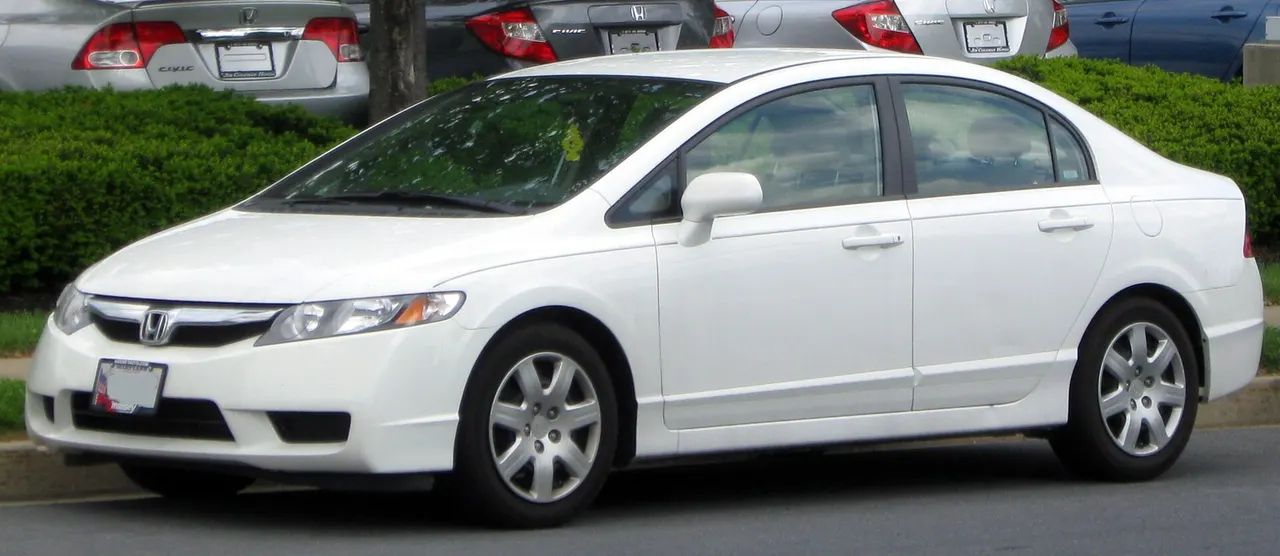
NHTSA 19V502000June 20199,555 vehicles
Air bags: frontal: passenger side: inflator module
Honda (American Honda Motor Co.) is recalling certain 2009-2014 Acura TSX, 2011-2014 TSX Sport Wagon, 2010-2013 ZDX, 2008-2012 Honda Accord, 2010-2011 Accord Crosstour, 2006-2011 Civic and Civic Hybrid, 2008-2010 Civic GX NGV, 2012-2015 Crosstour, 2007-2011 CR-V, 2009-2013 Fit, 2014 Fit EV, 2010-2014 Insight, and 2009-2015 Pilot vehicles. The vehicles are equipped with passenger frontal air bag inflators assembled as a recall remedy part or replacement service part, that may explode due to propellant degradation occurring after long-term exposure to high absolute humidity, temperature and temperature cycling.
Risk: An inflator explosion may result in sharp metal fragments striking the driver or other occupants resulting in serious injury or death.
Fix: Honda will notify owners, and dealers will replace the passenger frontal air bag inflator, free of charge.
NHTSA 19V378000May 201919,138 vehicles
Air bags: frontal: passenger side: inflator module
Honda (American Honda Motor Co.) is recalling certain 2009-2014 Acura TSX, 2011-2013 TSX Sport Wagon, and 2010-2012 ZDX and 2008-2012 Honda Accord, 2010-2011 Accord Crosstour, 2006-2011 Civic, Civic Hybrid and Civic NGV, 2012-2014 Crosstour, 2007-2011 CR-V, 2009-2013 Fit, 2010-2013 Insight, and 2009-2015 Pilot vehicles. The front passenger air bag inflator may have been installed incorrectly during replacement.
Risk: An incorrectly installed air bag inflator may not properly deploy the passenger frontal air bag in the event of a crash, increasing the risk of injury.
Fix: Honda will notify owners, and dealers will inspect the inflator installation and, if necessary, replace the passenger frontal air bag module assembly, free of charge.
NHTSA 18V268000April 20181,335 vehicles
Air bags: frontal: passenger side: inflator module
Honda (American Honda Motor Co.) is recalling certain 2003-2012 Honda Accord and Pilot, 2010 Accord Crosstour, 2001-2011 Civic, 2002-2011 CR-V, 2003-2004, 2006-2008 and 2011 Element, 2007 and 2009-2013 Fit, 2010-2012 Insight, 2002-2004 Odyssey, and 2012 Ridgeline vehicles. The front passenger air bag may have been installed incorrectly during replacement.
Risk: An incorrectly installed air bag may deploy improperly in the event of a crash, increasing the risk of injury.
Fix: Honda will notify owners, and dealers will inspect and, if necessary, replace the passenger frontal air bag module assembly, free of charge.
NHTSA 18V042000January 2018691,726 vehicles
Air bags: frontal: passenger side: inflator module
Honda (American Honda Motor Co.) is recalling certain 2010-2013 Acura TSX, ZDX, Honda Accord Crosstour, Fit, Insight and Pilot vehicles, 2011-13 Acura TSX Sportswagon, 2010-2012 Honda Accord,, 2010-2011 Honda Civic, Civic NGV, Civic Hybrid and CR-V vehicles and 2013 Honda FCX Clarity and Fit EV vehicles ever registered in the states of Alabama, California, Florida, Georgia, Hawaii, Louisiana, Mississippi, South Carolina, Texas, Puerto Rico, American Samoa, Guam, the Northern Mariana Islands (Saipan), and the U.S. Virgin Islands or "Zone A." Additionally, Honda is recalling certain 2010-2012 Acura TSX, Honda Accord, Accord Crosstour, Fit and Pilot, 2010-2011 Honda Civic, Civic NGV, Civic Hybrid and CR-V, and 2010 Acura ZDX and Honda Insight vehicles ever registered in the states of Arizona, Arkansas, Delaware, District of Columbia, Illinois, Indiana, Kansas, Kentucky, Maryland, Missouri, Nebraska, Nevada, New Jersey, New Mexico, North Carolina, Ohio, Oklahoma, Pennsylvania, Tennessee, Virginia, and West Virginia or "Zone B." Unless included in Zones A or B above, Honda is recalling certain 2009 Acura TSX, Honda Accord, Civic, Civic NGV, Civic Hybrid, CR-V, Fit, and Pilot vehicles ever registered in the states of Alaska, Colorado, Connecticut, Idaho, Iowa, Maine, Massachusetts, Michigan, Minnesota, Montana, New Hampshire, New York, North Dakota, Oregon, Rhode Island, South Dakota, Utah, Vermont, Washington, Wisconsin, and Wyoming or "Zone C." These vehicles are equipped with certain air bag inflators assembled as part of the frontal air bag modules, and used as original equipment or replacement equipment (such as after a vehicle crash necessitating replacement of the original air bags), may explode due to propellant degradation occurring after long-term exposure to higher absolute humidity, temperature and temperature cycling.
Risk: An inflator explosion may result in sharp metal fragments striking the driver or other occupants resulting in serious injury or death.
Fix: Honda will notify owners, and dealers will replace the passenger frontal air bag inflator, free of charge.
NHTSA 17V545000August 20173,257 vehicles
Air bags: frontal: passenger side: inflator module
Honda (American Honda Motor Co.) is recalling certain 2008-2012 Accord, 2010-2012 Accord Crosstour, 2006-2011 Civic, 2007-2011 CR-V, 2009-2012 Fit and Pilot, 2010-2012 Insight, and 2009-2012 Acura TSX vehicles that received replacement passenger frontal air bag inflators. One dealership may have incorrectly installed the replacement air bag inflators.
Risk: In the event of a crash, an incorrectly installed passenger frontal air bag inflator may deploy the air bag improperly, increasing the risk of injury.
Fix: Honda will notify owners, and dealers will replace the passenger frontal air bag module assembly, free of charge.
NHTSA 17V030000January 2017977,708 vehicles
Air bags: frontal: passenger side: inflator module
Honda (American Honda Motor Co.) is recalling certain 2009-2012 Acura TSX, 2011-2012 Acura TSX Wagon, 2010-2012 Acura ZDX, 2008-2012 Honda Accord, 2010-2012 Honda Accord Crosstour and Honda Insight, 2009-2012 Honda Fit, 2009-2012 Pilot, 2007-2011 Honda CR-V, 2012 Honda FCX Clarity and 2006-2011 Honda Civic, Civic Hybrid, Civic NGV vehicles originally sold, or ever registered, in Alabama, California, Florida, Georgia, Hawaii, Louisiana, Mississippi, South Carolina, Texas, Puerto Rico, American Samoa, Guam, the Northern Mariana Islands (Saipan), and the U.S. Virgin Islands, or "Zone A." Additionally, if not included in "Zone A" above, Honda is recalling certain 2009 Acura TSX, Honda Fit and Pilot, 2008-2009 Honda Accord, 2006-2009 Civic, Civic Hybrid and Civic NGV, and 2007-2009 Honda CR-V vehicles originally sold, or ever registered, in Arizona, Arkansas, Delaware, District of Columbia, Illinois, Indiana, Kansas, Kentucky, Maryland, Missouri, Nebraska, Nevada, New Jersey, New Mexico, North Carolina, Ohio, Oklahoma, Pennsylvania, Tennessee, Virginia, and West Virginia, or "Zone B." Additionally, if not included in "Zone B" above, Honda is recalling certain 2008 Honda Accord, 2006-2008 Honda Civic, Civic Hybrid and Civic NGV and 2007-2008 Honda CR-V vehicles originally sold, or ever registered, in Alaska, Colorado, Connecticut, Idaho, Iowa, Maine, Massachusetts, Michigan, Minnesota, Montana, New Hampshire, New York, North Dakota, Oregon, Rhode Island, South Dakota, Utah, Vermont, Washington, Wisconsin, and Wyoming. These vehicles are equipped with certain air bag inflators assembled as part of the passenger frontal air bag modules used as original equipment or replacement equipment. In the event of a crash necessitating deployment of the front air bags, these inflators may rupture due to propellant degradation occurring after long-term exposure to absolute humidity and temperature cycling.
Risk: An inflator rupture may result in metal fragments striking the vehicle occupants resulting in serious injury or death.
Fix: Honda will notify owners, and dealers will replace the front passenger side air bag inflator, free of charge.
NHTSA 16V346000May 20162,719,386 vehicles
Air bags: frontal: passenger side: inflator module
Honda (American Honda Motor Co.) is recalling certain model year 2009-2011 Acura TSX, 2011 TSX Wagon, 2010-2011 Acura ZDX, 2008-2011 Honda Accord, 2010-2011 Accord Crosstour, 2006-2011 Civic, Civic Hybrid, and Civic GX, 2007-2011 CR-V, 2010-2011 FCX Clarity and Insight, and 2009-2011 Fit, and Pilot vehicles originally sold, or ever registered, in Alabama, California, Florida, Georgia, Hawaii, Louisiana, Mississippi, South Carolina, Texas, Puerto Rico, American Samoa, Guam, the Northern Mariana Islands (Saipan), and the U.S. Virgin Islands, or "Zone A." Additionally, unless already included in "Zone A" above, Honda is recalling certain model year 2008 Honda Accord, 2006-2008 Civic, Civic Hybrid and Civic GX, and 2007-2008 CR-V vehicles originally sold, or ever registered, in Arizona, Arkansas, Delaware, the District of Columbia, Illinois, Indiana, Kansas, Kentucky, Maryland, Missouri, Nebraska, Nevada, New Jersey, New Mexico, North Carolina, Ohio, Oklahoma, Pennsylvania, Tennessee, Virginia, and West Virginia, or "Zone B." Vehicles not originally sold or ever registered in either Zones A or B are not subject to this safety recall. These vehicles are equipped with certain air bag inflators assembled as part of the passenger frontal air bag modules, and used as original equipment or replacement equipment. In the event of a crash necessitating deployment of the front air bags, these inflators may rupture due to propellant degradation occurring after long-term exposure to absolute humidity and temperature cycling.
Risk: An inflator rupture may result in metal fragments striking the vehicle occupants resulting in serious injury or death.
Fix: Honda will notify owners, and dealers will replace the inflator, free of charge.
NHTSA 08V535000October 2008128 vehicles
Fuel system, gasoline: delivery: hoses, lines/piping, and fittings
Honda is recalling 128 my 2008-2009 civic sedans. A bracket that covers the fuel hose connector is secured with a bolt and nut, but during assembly the nut was not installed.
Risk: In the event of a crash, the bracket may become loose which could result in damage to the fuel hose connector. A damaged connector could lead to a fuel leak and increases the risk of a fire.
Fix: Dealers will install a nut on the fuel feed hose bracket.
A recall only helps if the repair was done. Enter the vehicle's 17-character VIN on NHTSA's official recall lookup before you buy.