Honda CR-V Years to Avoid

Every CR-V from 2008 to 2027, rated on owner complaints filed with NHTSA. Two years stand out for the wrong reasons.

Avoid2017, 2018
Use caution2014, 2015, 2019, 2022
Best bets2009–2011
Updated November 9, 2026 · 12,753 owner complaints · How we rate
2023 Honda CR-V EX-L AWD

Photo: 2023 Honda CR-V EX-L AWD · Mr.choppers, CC BY-SA 3.0, via Wikimedia Commons

Honda CR-V problems by year

Every model year, rated · newest first · bar = complaint rate vs. a typical CR-V year

6th generation · 2023–today

Five model years, 1,610 owner complaints: 2023–2027 are too new to rate; owners most often report the steering (39% of complaints).

5th generation · 2017–2022

Six model years, 6,313 owner complaints: avoid 2017 and 2018; use caution with 2019 and 2022; 2020 and 2021 rate solid; owners most often report the engine (26% of complaints).

4th generation · 2012–2016

Five model years, 2,443 owner complaints: use caution with 2014 and 2015; 2012, 2013 and 2016 rate solid; owners most often report the engine (30% of complaints).

3rd generation · 2007–2011 · 2008 on rated

Four model years, 2,387 owner complaints: 2008 rates solid; the best bets are 2009, 2010 and 2011; owners most often report the wheels and tires (14% of complaints).

Why 2017 and 2018 made the avoid list

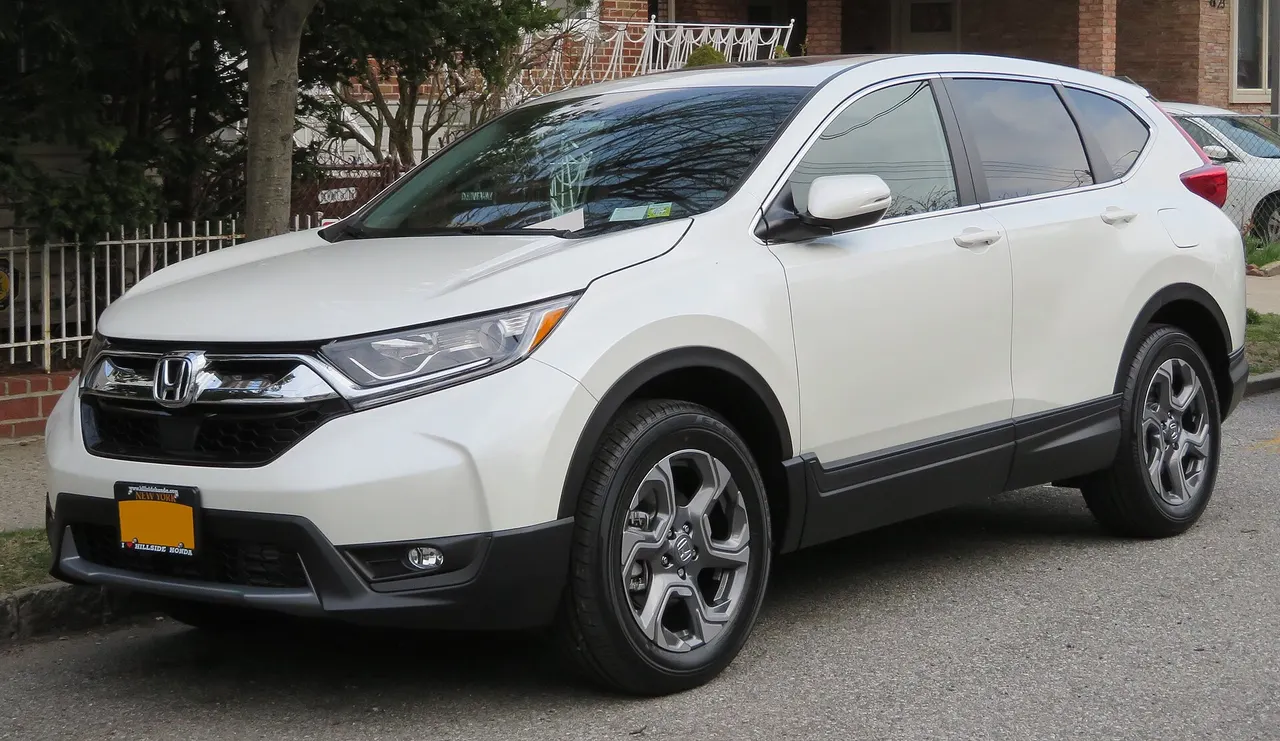
2017 Honda CR-V

2017 Honda CR-V

Avoid
Top issue: engine · 36% of complaints · median 14,000 miles

Owners describe gasoline mixing into the engine oil, especially in cold weather and on short trips, leaving a fuel smell and overfilled oil, with some reporting stalling or power loss. Many also report battery drain and dash displays or driver-assist warnings blacking out or flickering.

Full 2017 report ›
2017 Honda CR-V

2018 Honda CR-V

Avoid
Top issue: engine · 40% of complaints · median 5,000 miles

Owners describe the automatic emergency braking slamming on the brakes with no obstacle ahead, which dealers often couldn't reproduce or fix. Many also report gasoline mixing into the 1.5L turbo's oil, causing fuel smells and an overfilled dipstick, and say repairs didn't fix it for good.

Full 2018 report ›

Summaries are written with AI from the owner complaints on NHTSA's site and checked against them; the counts and mileages come from our data.

Best Honda CR-V years to buy

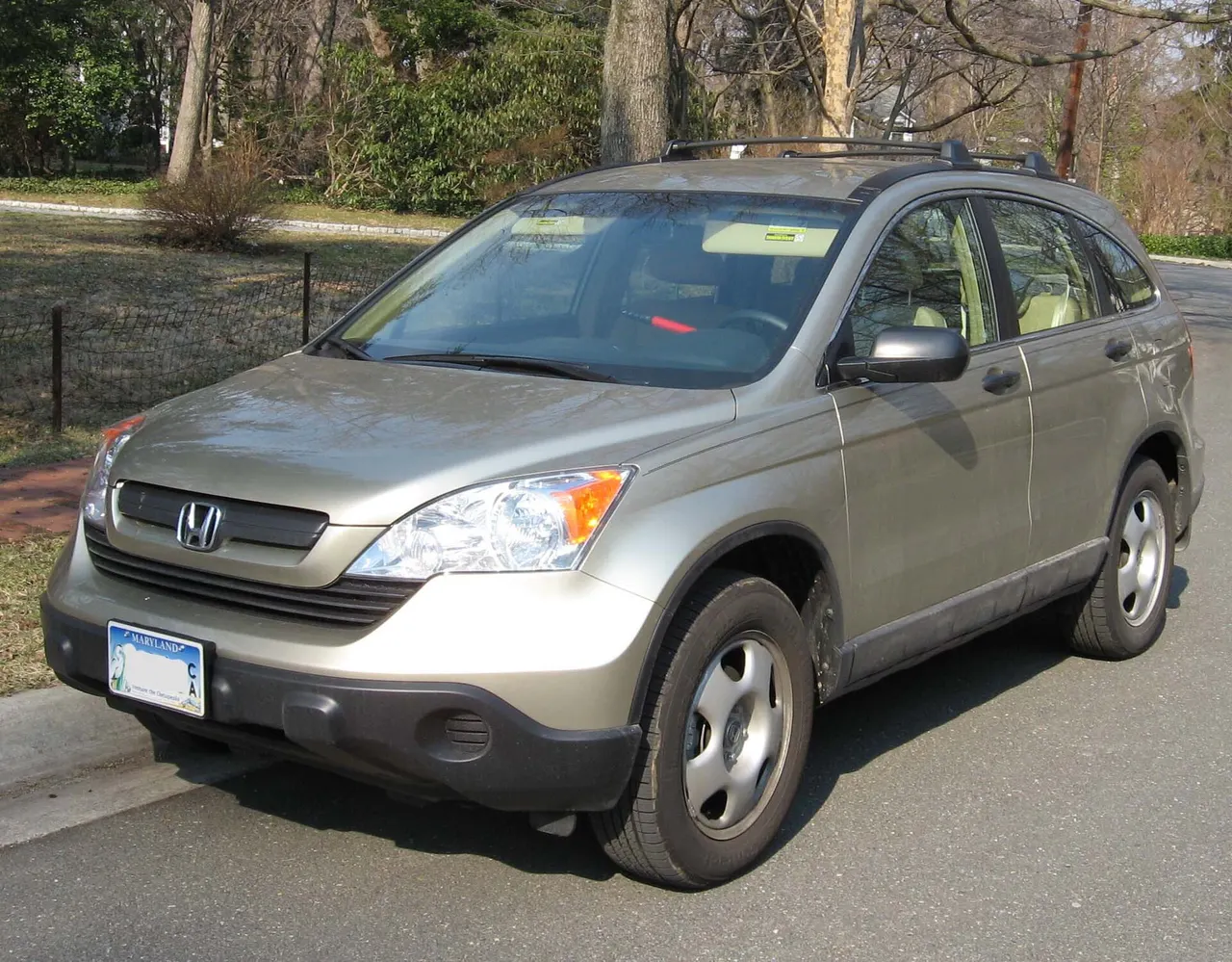
2007 Honda CR-V LX

2009 Honda CR-V

Best bet
Top issue: air bags · 11% of complaints · median 23,000 miles

Owners filed 63 complaints with NHTSA about the 2009 CR-V in its first five years, about 33 for every 100,000 sold: 0.5× the rate of a typical CR-V year. 11% of them involve the air bags, at a median of 23,000 miles.

Full 2009 report ›
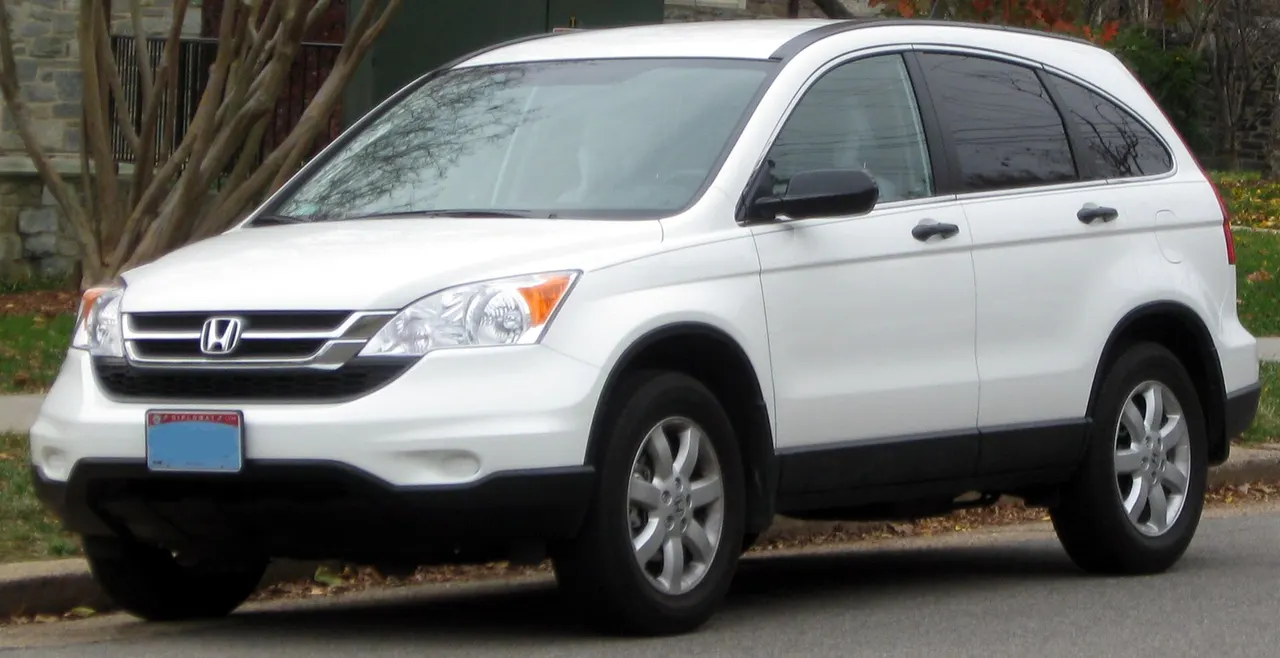
2010–2011 Honda CR-V EX (facelift)

2010 Honda CR-V

Best bet
Top issue: brakes · 13% of complaints · median 13,000 miles

Owners filed 84 complaints with NHTSA about the 2010 CR-V in its first five years, about 42 for every 100,000 sold: 0.5× the rate of a typical CR-V year. 13% of them involve the brakes, at a median of 13,000 miles.

Full 2010 report ›
2010–2011 Honda CR-V EX (facelift)

2011 Honda CR-V

Best bet
Top issue: brakes · 9% of complaints · median 20,000 miles

Owners filed 87 complaints with NHTSA about the 2011 CR-V in its first five years, about 41 for every 100,000 sold: 0.6× the rate of a typical CR-V year. 9% of them involve the brakes, at a median of 20,000 miles.

Full 2011 report ›

A best bet drew 0.6× the complaint rate of a typical CR-V year or less in its first five years on the road. How we rate

Most common Honda CR-V problems

Every rated year combined · share of complaints · median miles at failure
  1. Engine22% of complaints · 1,518 complaints · median 1,000–95,000 miles by year · worst years: 2015, 2017 and 2018
  2. Steering16% of complaints · 1,110 complaints · median 2,000–34,000 miles by year · worst years: 2019, 2021 and 2022
  3. Electrical14% of complaints · 974 complaints · median 1,000–53,000 miles by year · worst years: 2017, 2018 and 2019
  4. Driver assistance13% of complaints · 871 complaints · median 4,000–45,000 miles by year · worst years: 2018, 2019 and 2021
  5. Fuel and propulsion11% of complaints · 791 complaints · median 2,000–19,000 miles by year · worst years: 2017, 2018 and 2019

Complaints owners filed with NHTSA in each model year's first five years on the road, all years combined. A complaint can name more than one area. Worst years are the rated years with the most complaints about that area. Mileage is reported on about half of complaints.

Questions owners ask

Which Honda CR-V years should you avoid?
Counting complaints owners filed with NHTSA in each year's first five years on the road, per vehicle sold, the 2017 and 2018 CR-V drew the most: each more than twice the rate of a typical CR-V year, spread across more than one problem area. The 2014, 2015, 2019 and 2022 also ran above average; use caution with them.
What is the best year for a used Honda CR-V?
The best bets are the 2009, 2010 and 2011 CR-V, which drew far fewer complaints per vehicle sold than a typical CR-V year. The 2009 drew the fewest for its time on the road (0.5× the rate of a typical CR-V year). Years from 2023 on haven't had five years on the road, so they aren't rated yet.
What is the most common problem with the Honda CR-V?
Across every year, the problem area owners report most is the engine (22% of complaints), followed by the steering (16%) and the electrical system (14%). A complaint can name more than one area.
Has the Honda CR-V been recalled?
Yes. NHTSA lists 48 recall campaigns covering CR-V model years 2008 to 2027, the most recent in October 2026. Enter a vehicle's VIN on NHTSA's recall lookup to see whether its repairs were done.
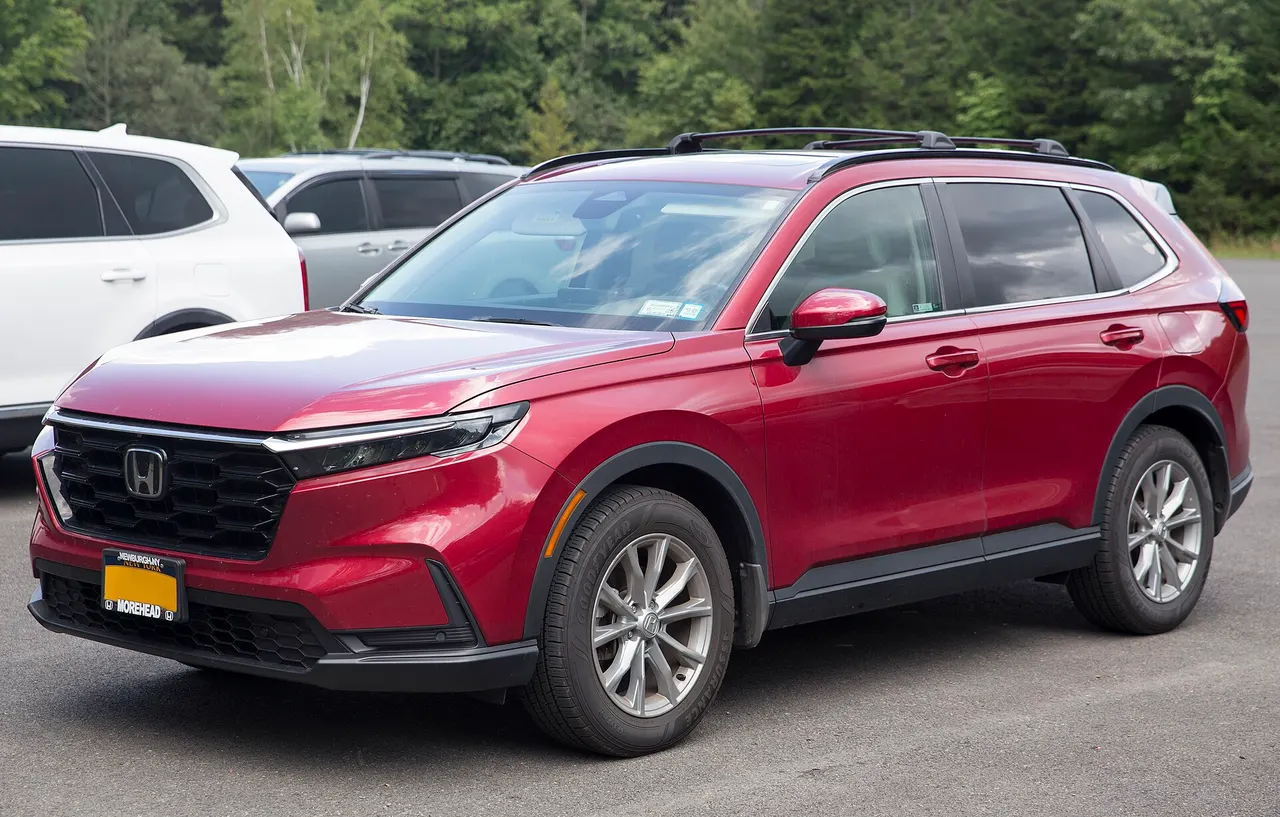
See all ›

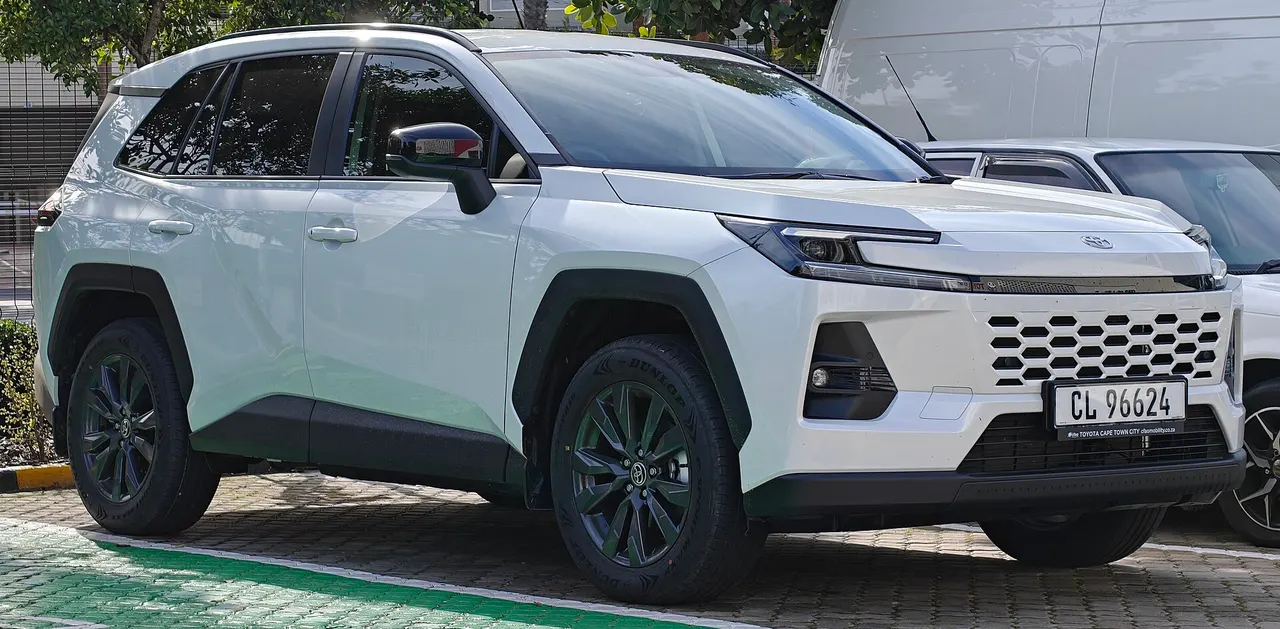
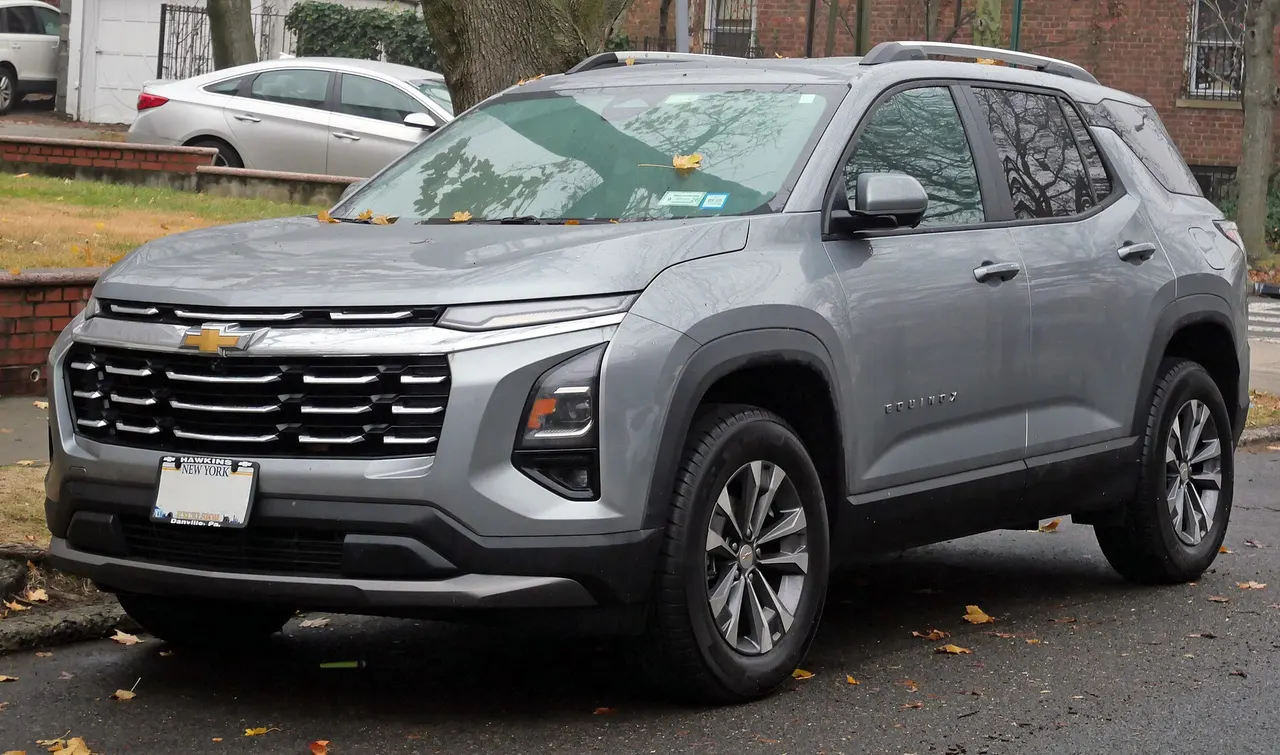
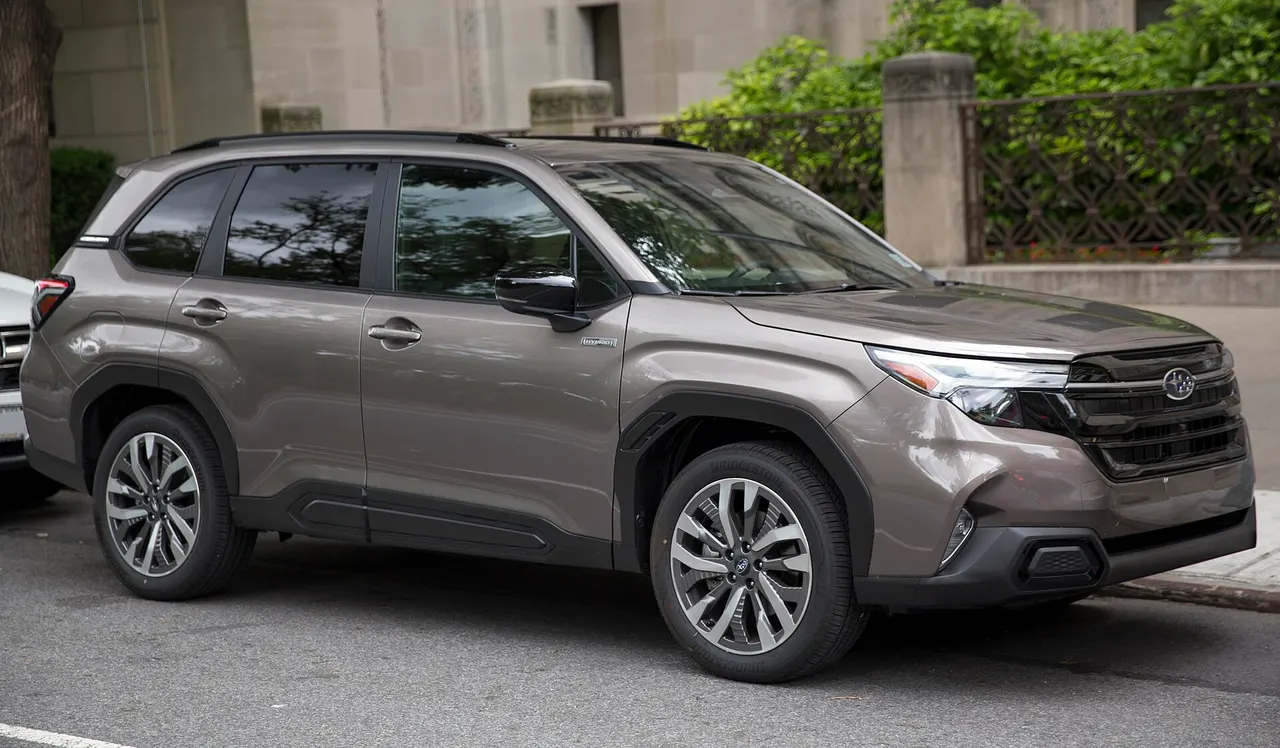
Photos: 2017 Honda CR-V by Kevauto (CC BY-SA 4.0) · 2007 Honda CR-V LX by IFCAR (public domain) · 2010–2011 Honda CR-V EX (facelift) by IFCAR (public domain) · 2026 Mazda CX-5 L AWD (Japanese-market) by Oq10pass (CC0) · 2026 Toyota RAV4 (South African model) by Husskeyy (CC BY-SA 4.0) · 2025 Chevrolet Equinox by Kevauto (CC BY-SA 4.0) · 2025 Subaru Forester Hybrid Touring by Mr.choppers (CC BY-SA 4.0), via Wikimedia Commons.